
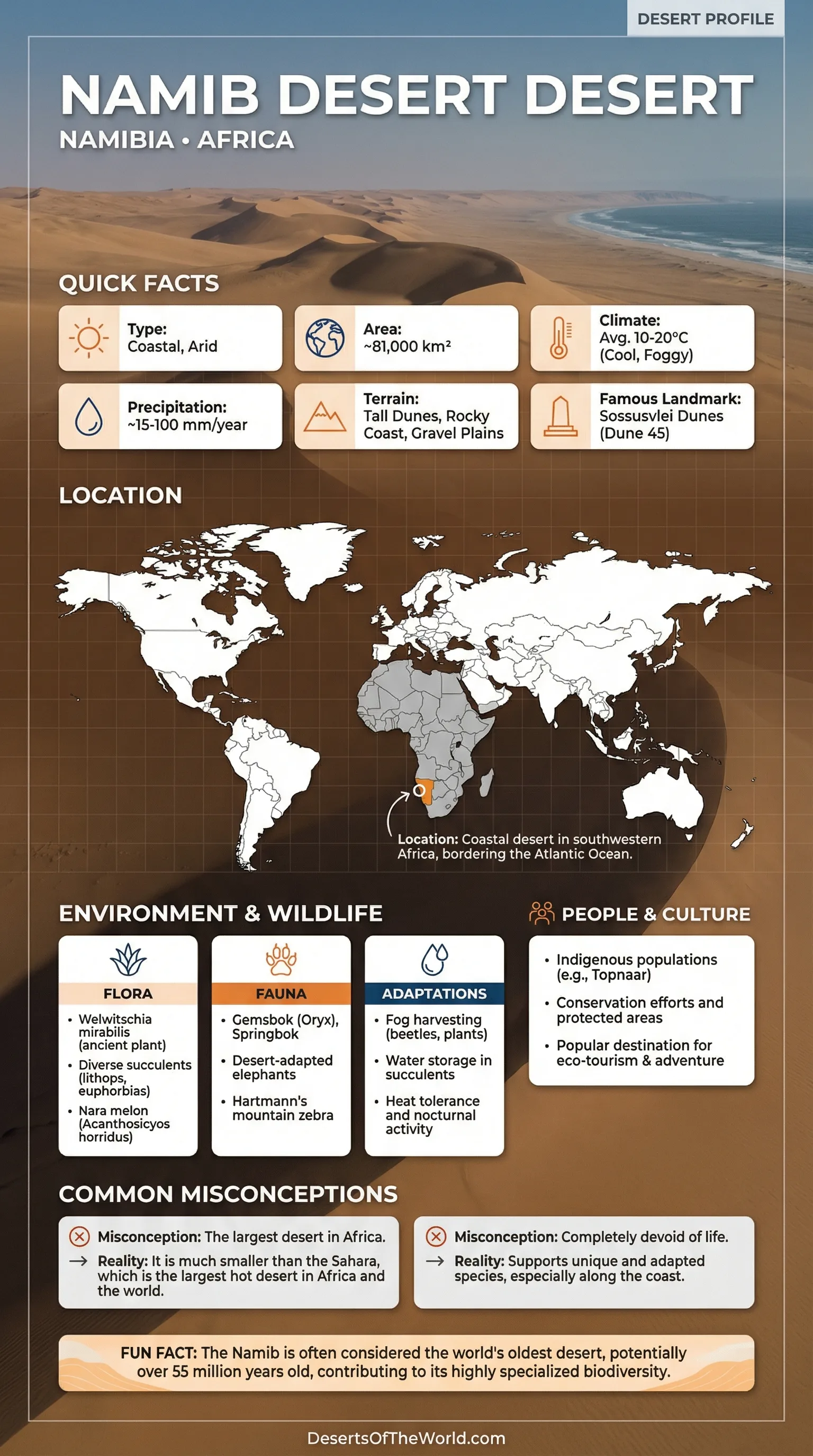
Location & Continent
Continent: Africa
Countries: Namibia, Angola, South Africa
Coordinates: Approximately 23°S, 15°E
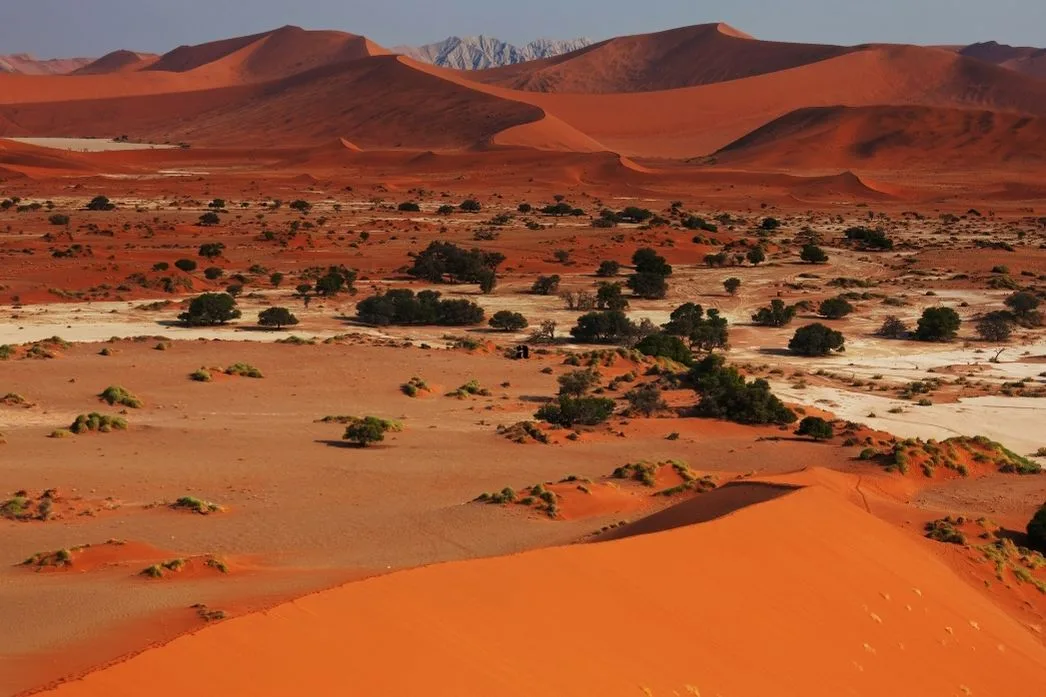
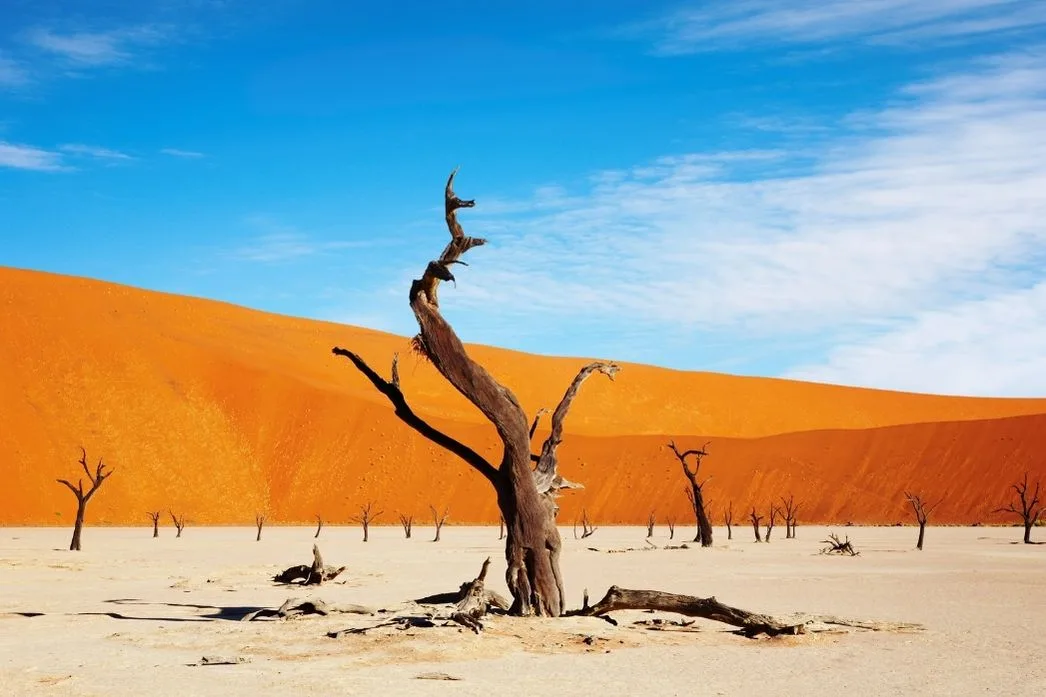
Photos of the Namib Desert
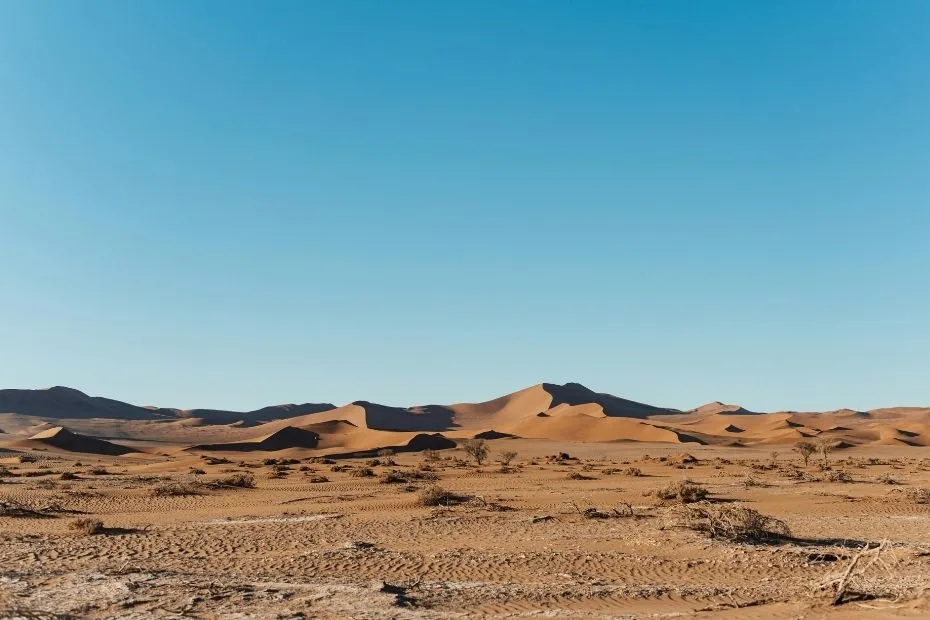
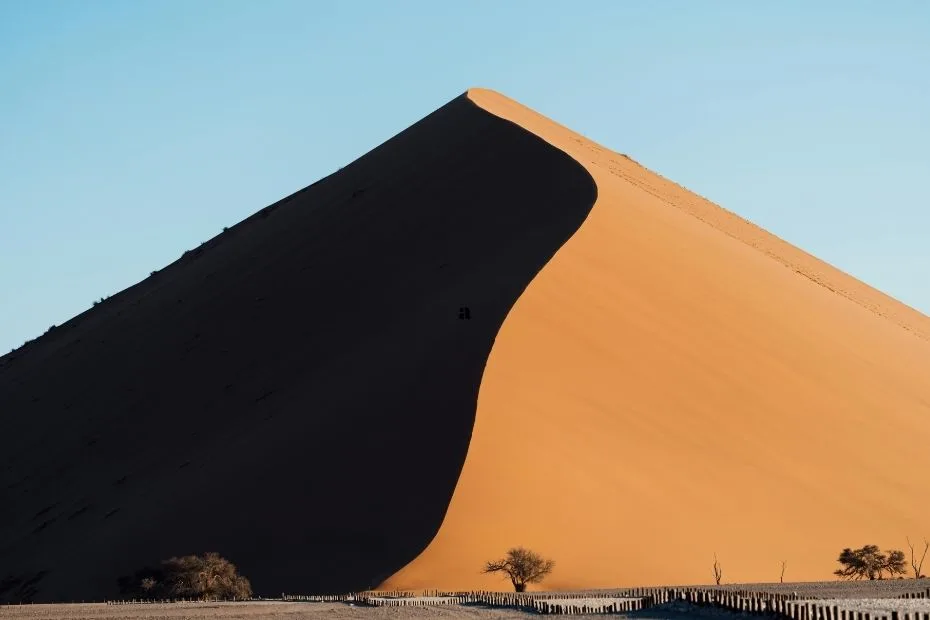
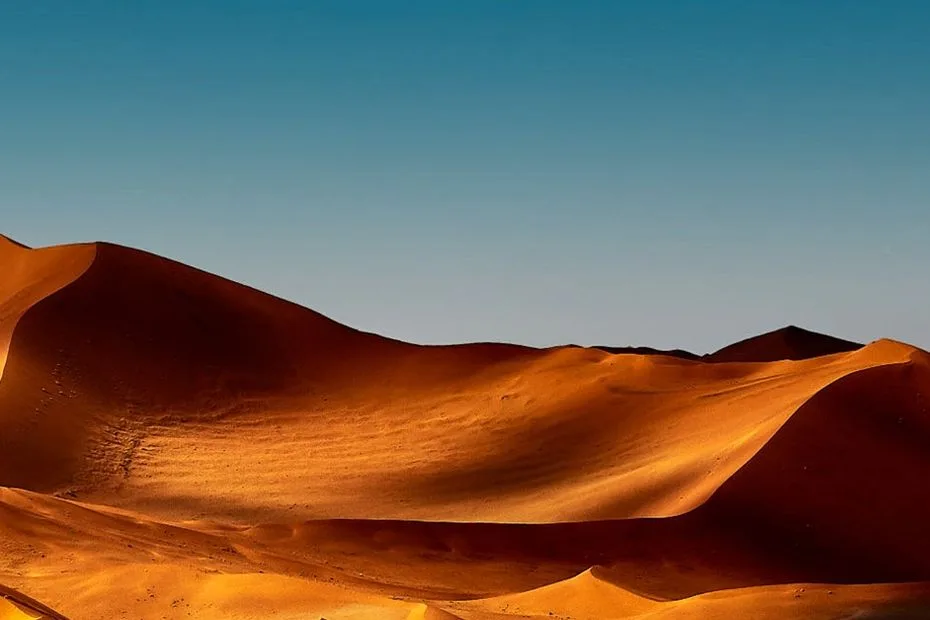
Physical Features
Area: Approximately 81,000 km²
Length: About 2,000 km along the Atlantic coast
Width: 50–160 km
Elevation: Brandberg – 2,573 m, Namib Sand Sea – up to 300 m dunes
Climate & Precipitation
Temperature: Daytime 35–45°C, night 5–15°C; coastal areas cooler due to fog
Precipitation: Less than 10–20 mm annually in the driest areas; fog is an important water source along the coast
Ecological Features
Ecozone: Hyper-arid desert
Biome: Deserts and xeric shrublands
Ecoregions: Namib Gravel Plains, Namib Sand Sea, coastal fog zone
Flora & Fauna
Flora: Welwitschia mirabilis, desert succulents, hardy shrubs
Fauna: Oryx, springbok, desert-adapted elephants, brown hyenas, desert-adapted lions in northwestern coastal areas, sand geckos and endemic insects
Geology & Notable Features
Geology: Sand dunes, gravel plains, rocky outcrops, dry riverbeds, coastal sediments
Notable Features: Sossusvlei dunes, Skeleton Coast, Brandberg Mountain, Namib Sand Sea
Introduction to the Namib Desert
The Namib Desert stretches along the southwestern coast of Africa, spanning over 2,000 kilometers from Angola to South Africa. It is commonly described as one of the world’s oldest deserts, with arid conditions extending far back into the geological past. The Namib is characterized by towering red sand dunes, rocky gravel plains, and a coastal fog zone. Despite its harsh environment, the desert hosts specialized flora and fauna adapted to extreme aridity.
Geographical Extent and Boundaries
The Namib Desert occupies an area of approximately 81,000 square kilometers. It is bounded by the Atlantic Ocean to the west and the Namib Escarpment to the east. Inland, the desert gradually transitions into savannahs and the semi-arid regions of Namibia. Notable features include the Skeleton Coast with its shipwrecks and foggy beaches, the towering Brandberg Mountain, and the Sossusvlei dunes, some of which rise more than 300 meters above their surroundings.
Climate Patterns and Environmental Conditions
The Namib Desert experiences hyper-arid climate conditions. Average annual rainfall can fall below 10 mm along parts of the coast, with higher totals farther inland. Temperatures fluctuate sharply, with inland daytime highs often exceeding 40°C while nights can become much cooler. The cold Benguela Current offshore produces frequent fog, which provides an important source of moisture for desert-adapted species. Strong coastal winds continually move sand and reshape exposed surfaces.
Sand Dunes and Geological Formations
The Namib is known for its towering sand dunes, many composed of iron-rich reddish sand. Dunes around Sossusvlei and Deadvlei rise beside pale clay pans. The desert also features extensive gravel plains and rocky outcrops known as inselbergs. Wind erosion, sediment transport and deposition continue to shape these contrasting surfaces.
Flora and Plant Adaptations
Plant life in the Namib is highly specialized for long periods of drought. Well-known species include Welwitschia mirabilis, a long-lived plant that can survive for centuries, and desert succulents that store water in their tissues. Other hardy shrubs and grasses grow in sandy or rocky soils. In the coastal Namib, some plants obtain part of their moisture from frequent fog.
Fauna and Unique Wildlife
The Namib Desert supports wildlife adapted to very low water availability. Mammals such as gemsbok, desert-adapted elephants and brown hyenas inhabit arid areas, while northwestern Namibia also supports desert-adapted lions. Reptiles, including geckos and sidewinding vipers, tolerate hot desert surfaces, while birds such as the Rüppell’s korhaan use sparse vegetation for feeding and shelter. Many smaller species reduce water loss through nocturnal activity, burrowing or use of fog-influenced habitats.
Population estimates presented at a large carnivore conservation meeting in Windhoek in August 2026 provided an updated picture of several predators in Namibia. Presenters estimated approximately 1,200 cheetahs nationally and about 130–350 African wild dogs in roughly 35 packs. The wild dog population was also described as potentially declining.
For the Namib coast itself, researchers reported that only around 12 desert-adapted coastal lions were known to use habitat along the Skeleton Coast. This figure refers specifically to the coastal group and should not be read as the total number of desert-adapted lions across northwestern Namibia. The cheetah and wild dog figures are also national estimates rather than counts limited to the Namib Desert.
These numbers are 2026 expert estimates drawn from different monitoring methods and survey areas, not results from one synchronized nationwide census. Continued tracking is needed to detect changes in these wide-ranging carnivore populations.
Oases and Water Sources
Although permanent surface water is scarce, ephemeral rivers such as the Kuiseb and Swakop provide water and vegetation through otherwise dry landscapes. Pools and river corridors can support birds, insects and mammals, while shrubs and trees provide food and shelter. Settlements also depend on groundwater and managed water supplies in this dry environment.
Human History and Cultural Connections
People have lived in and moved through the Namib region for thousands of years. Indigenous communities developed detailed knowledge of water sources, wildlife and useful plants. Rock art and archaeological sites in northwestern Namibia preserve evidence of earlier occupation and changing relationships with the desert landscape.
Coastal Fog and Ecological Importance
The Namib’s fog desert ecosystem relies heavily on mist from the Atlantic Ocean, which moves inland and deposits moisture on plants, rocks and sand. This fog-dependent moisture supports organisms in places where rainfall is extremely low. Beetles, plants, lichens and other desert organisms use moisture from fog directly or indirectly, making the coastal fog belt a distinct ecological zone.
Tourism and Desert Exploration
Visitors to the Namib can experience sandboarding, hot air balloon rides and guided desert safaris, along with trips to dune fields, coastal areas and wildlife habitats. Cultural and historical tours also operate in parts of the region. Tourism is managed differently across parks, communal conservancies and private land, with access restrictions used in sensitive areas.
Conservation Challenges and Efforts
The Namib faces pressures from mining, grazing, infrastructure, human-wildlife conflict and climate change. Wildlife that ranges across large areas can move beyond protected boundaries, making cooperation between parks, communal conservancies, researchers, farmers and other land users important.
The August 2026 large-carnivore meeting in Windhoek brought together government representatives, conservation groups, researchers, farmers, hunters and tourism representatives. The population estimates presented there placed Namibia’s cheetahs at about 1,200 animals, African wild dogs at roughly 130–350 animals in 35 packs, and the desert-adapted coastal lion group using the Skeleton Coast at only around 12 individuals. Because the estimates come from different monitoring programs and geographic areas, they are best treated as current conservation assessments rather than exact population counts.
National parks such as Namib-Naukluft, Skeleton Coast protected areas and communal conservation programs help manage human activity and wildlife habitat. For large carnivores, monitoring and reducing conflict with people remain central parts of conservation work.
Geological Wonders and Natural History
Coastal sediments, gravel plains and massive sand seas record long periods of wind and water shaping the Namib. Inselbergs and rocky ridges expose older geological formations, while salt pans and dry riverbeds preserve evidence of changing environmental conditions. The present landscape reflects repeated cycles of erosion, sediment transport and deposition.
Namib Desert Overview
The Namib Desert combines coastal fog, large dune fields, gravel plains, dry river systems and rocky uplands within a narrow desert belt along the Atlantic. Its wildlife ranges from fog-dependent insects and reptiles to large mammals that travel across wide areas. Current monitoring of cheetahs, African wild dogs and desert-adapted coastal lions also shows why conservation work extends beyond individual parks and into the surrounding landscapes used by these animals.