
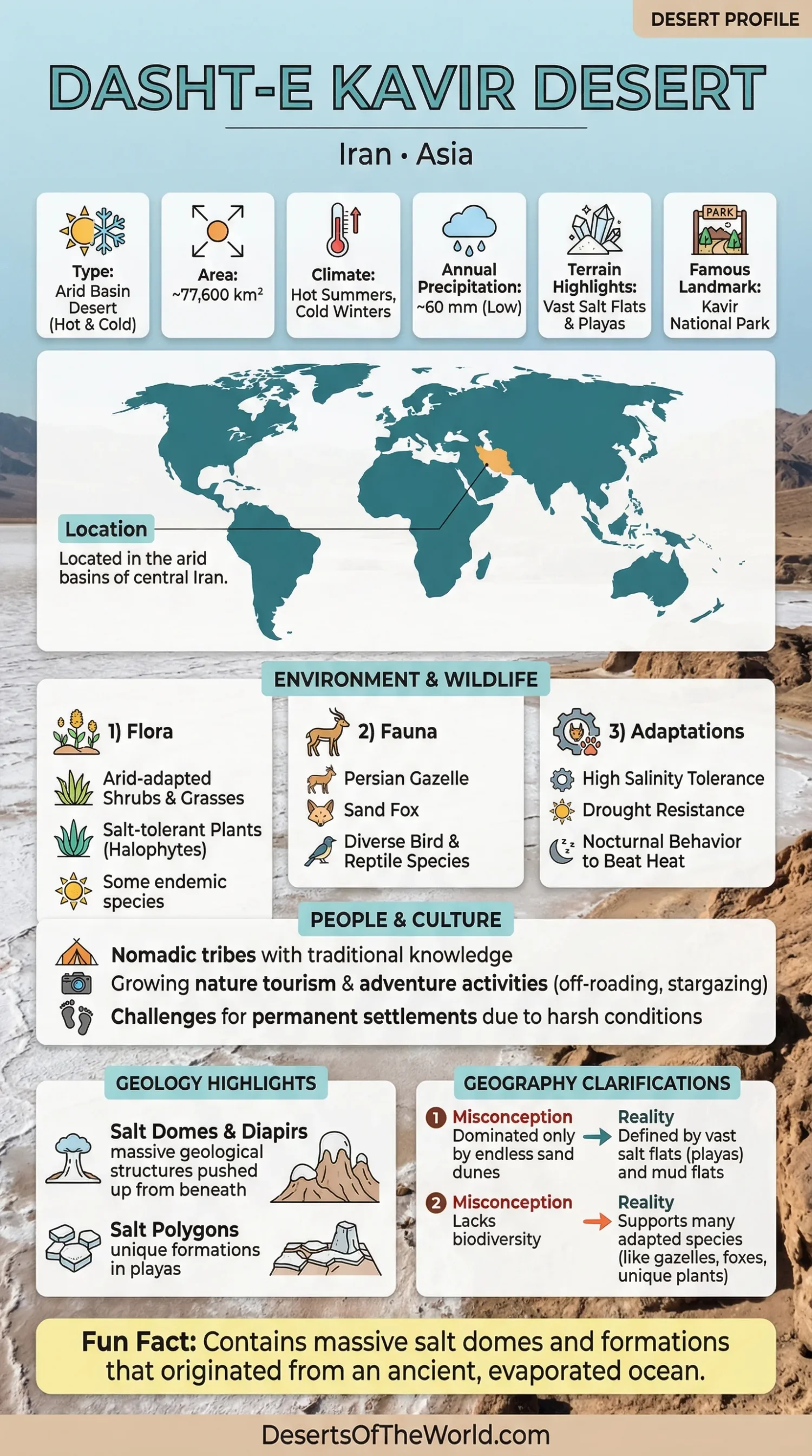
Location & Continent
Continent: Asia
Countries: Iran
Coordinates: ≈34.73°N, 52.23°E (Kavir Biosphere Reserve centroid)
Photos of the Dasht-e Kavir
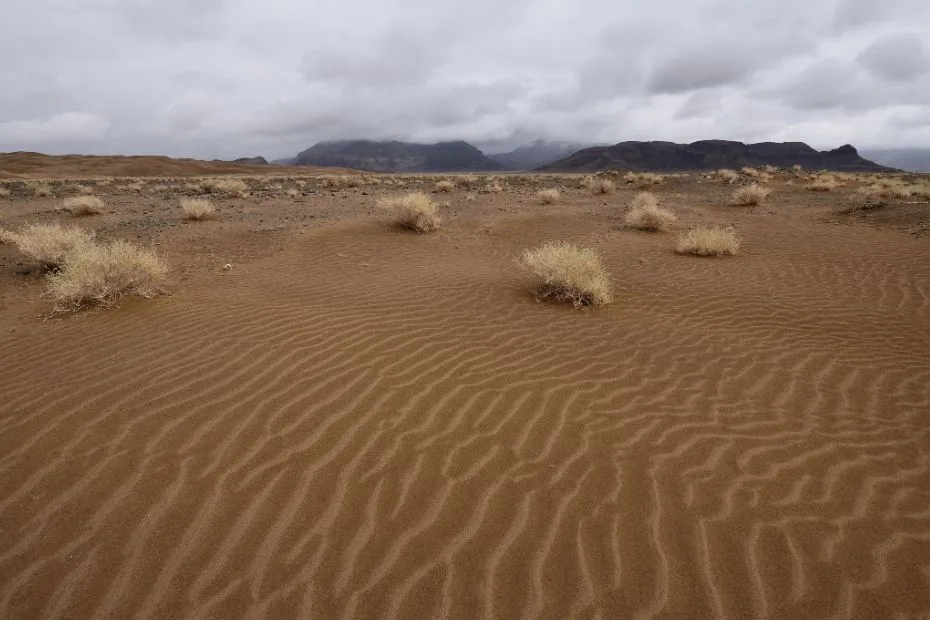
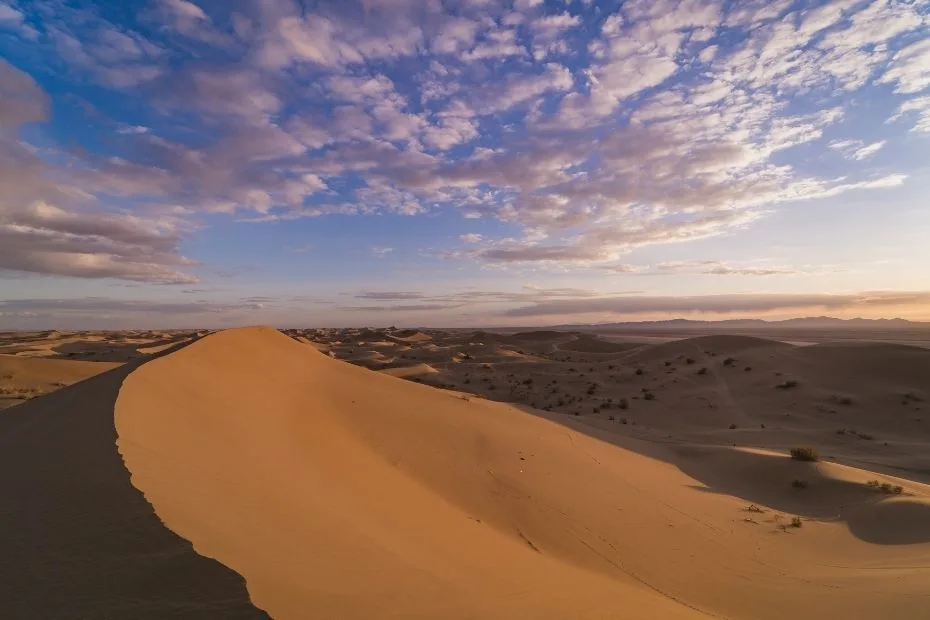
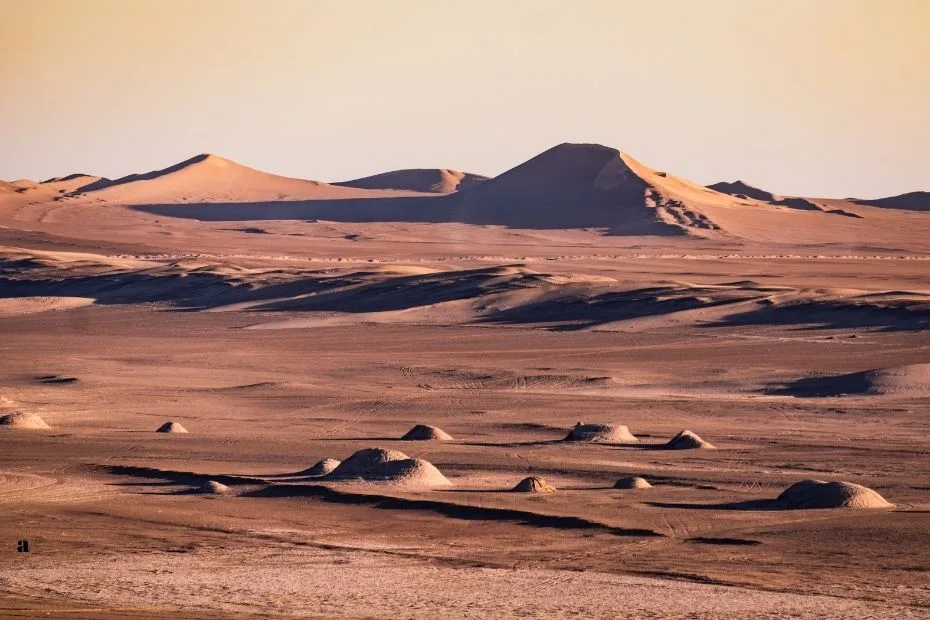
Physical Features
Area: ~60,000 km² salt–playa core reported for the Central Desert; broader desert system extends beyond this (official geopark data).
Extent: Approx. 32–36°N & 53–58°E across central Iran (university studies).
Elevation: Playas ~700–750 m a.s.l.; surrounded by steppe and ranges (local highs >1,500 m).
Climate & Precipitation
Temperature: Arid to hyper-arid desert with very hot summers and cold winter nights typical of interior basins.
Precipitation: Very low; episodic winter/spring moisture and runoff feed seasonal playas and salt marshes.
Ecological Features
Ecozone: Palearctic / Anatolian–Iranian desert belt
Biome: Deserts and xeric shrublands
Ecoregions: Kavir Biosphere Reserve (UNESCO) including steppe/desert mosaics and salt–sandy lands
Flora & Fauna
Flora: ~205 recorded plant species within the Kavir Biosphere Reserve (35 endemic); arid-adapted shrubs/halophytes on playas.
Fauna: Documented diversity within reserve includes 31 mammals, 131 birds, 20 reptiles, 1 amphibian; historical presence of onager (now extirpated locally).
Geology & Notable Features
Geology: Vast salt-marsh/playa system over thick evaporites; numerous salt domes/diapirs formed from ancient marine deposits; aeolian sands and alluvial fans.
Notable Features: Great Kavir salt flats and polygonal crusts; Kavir National Park on the western margin; active/semi-active volcanic and Precambrian units within the broader reserve.
Introduction
The Dasht-e Kavir, also known as the Great Salt Desert, is a large desert in Iran. It covers about 60,000 square kilometers and differs from the country’s more vegetated regions. The desert is defined by its salt flats, geological formations, and species adapted to arid conditions.
Geography
Located in the central part of Iran, Dasht-e Kavir is framed by the Alborz mountain range to the north and the Dasht-e Lut to the southeast. The geography of this desert comprises vast flat plains, salt flats, and rugged mountains. Here, one can find exceptional landforms such as salt crusts and seasonal lakes that dry up during the hot months.
Climate
The climate of Dasht-e Kavir is arid, with very high daytime temperatures and cooler nights. Annual rainfall is low, averaging about 60 mm per year. Conditions change with the seasons.
Temperature Variability
In summer, daytime temperatures can soar to as high as 50 °C (122 °F), while in winter, nighttime temperatures can plummet to -15 °C (5 °F). This variability makes Dasht-e Kavir a desert with extreme conditions.
Biodiversity
Despite its harsh environment, Dasht-e Kavir supports a surprising array of wildlife. Species such as the Persian gazelle, sand fox, and various reptiles and birds have adapted to the conditions of the desert.
Flora
The vegetation is primarily comprised of drought-resistant plants such as saltbush and various grasses that can withstand the harsh salinity of the soil.
Human Interaction
Historically, Dasht-e Kavir has been difficult for permanent settlement. Nomadic groups have lived in parts of the region, using traditional knowledge to manage water and seasonal movement. In recent years, tourism has grown as visitors and researchers travel to study its landscapes and climate.
Comparison with Dasht-e Lut
To better understand Dasht-e Kavir, it is essential to compare it with another famous Iranian desert, Dasht-e Lut. Below is a detailed comparison table outlining the key differences between the two deserts:
| Feature | Dasht-e Kavir | Dasht-e Lut |
|---|---|---|
| Area | 77,600 km² | 51,800 km² |
| Climate | Arid | Harsh and Extreme |
| Temperature Range | 50°C to -15°C | 70°C (recorded summer high) |
| Biodiversity | Moderate | Low |
| Human Settlements | Nomadic tribes | Minimal |
Adventure Opportunities
Adventure enthusiasts are drawn to Dasht-e Kavir for its unique landscape, offering activities such as off-roading, stargazing, and exploring ancient relics scattered throughout the desert. The vastness of the desert allows for solitude and a connection to nature that is rare in today’s world.
Conclusion
Dasht-e Kavir reflects the environmental conditions typical of large salt deserts. Its geology and species show how life persists under arid extremes. Conservation efforts help protect this desert ecosystem and its natural processes.
References
UNESCO – Kavir Biosphere Reserve (key data, coords, biodiversity)
NASA Earth Observatory – Iran’s Great Salt Desert (geology: ancient ocean, salt diapirs)
USGS – Dasht-e Kevir (largest salt desert in Iran; mud & salt marshes)
Tabas UNESCO Global Geopark – Dasht-e Kavir Salt Polygons (playa area & elevation)
University of Tehran (Journal of Desert) – Aeolian processes in the Dasht-e Kavir basin