
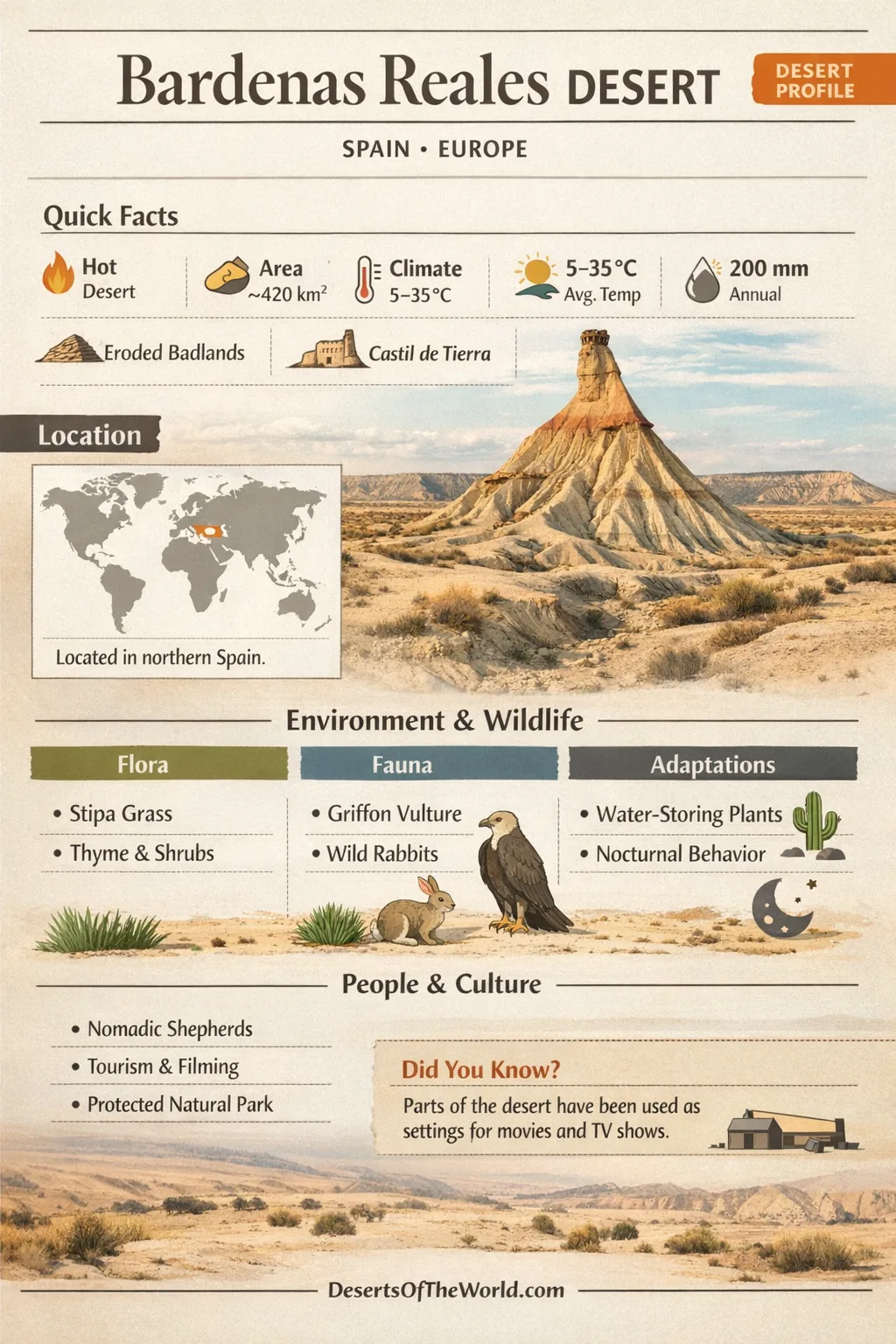
Location & Continent
Continent: Europe
Country: Spain
Region: Southeast of Navarre, near Tudela
Coordinates: 42°06′N, 1°30′W
Click to load the interactive map
Click to load the interactive map
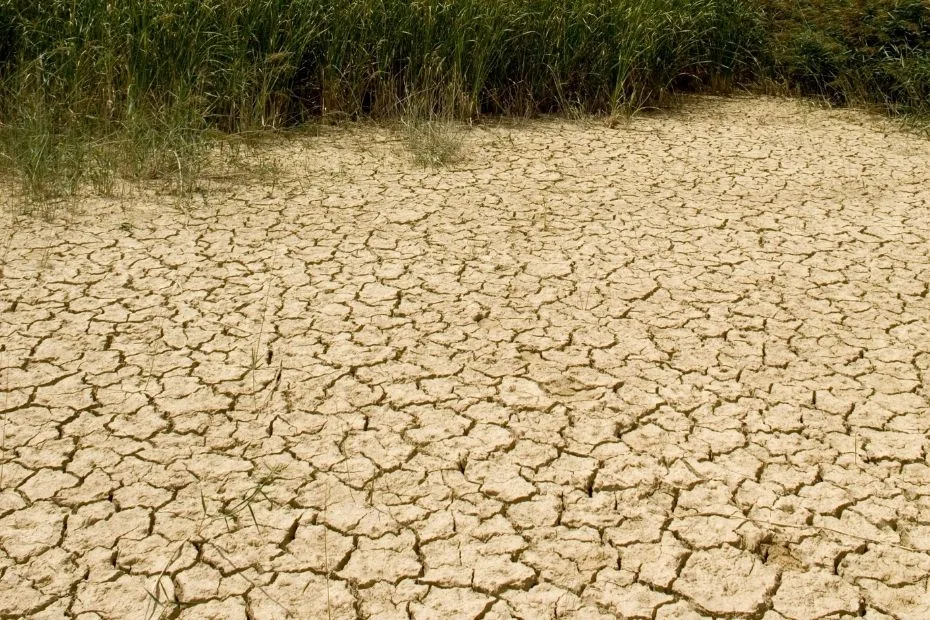
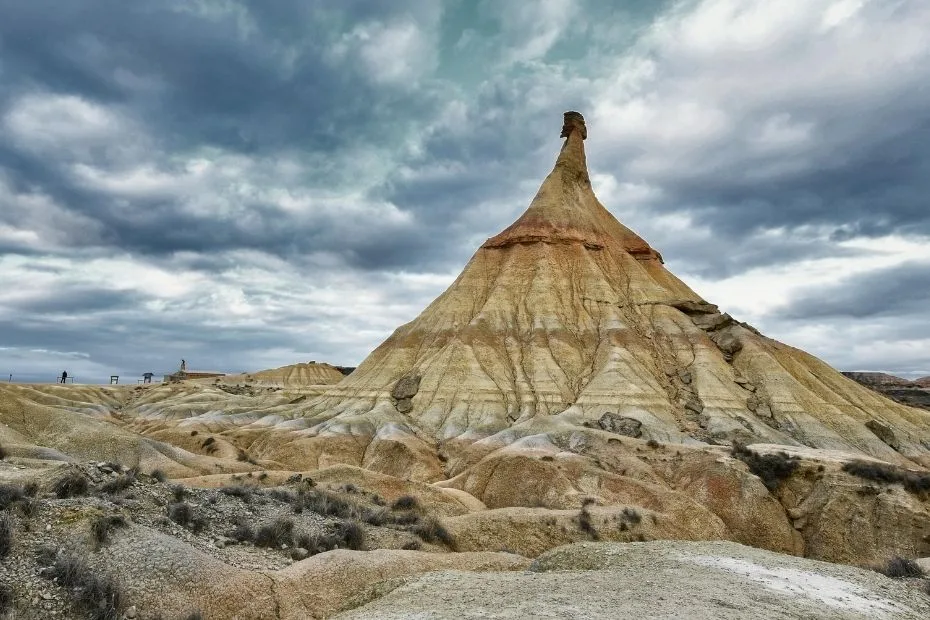
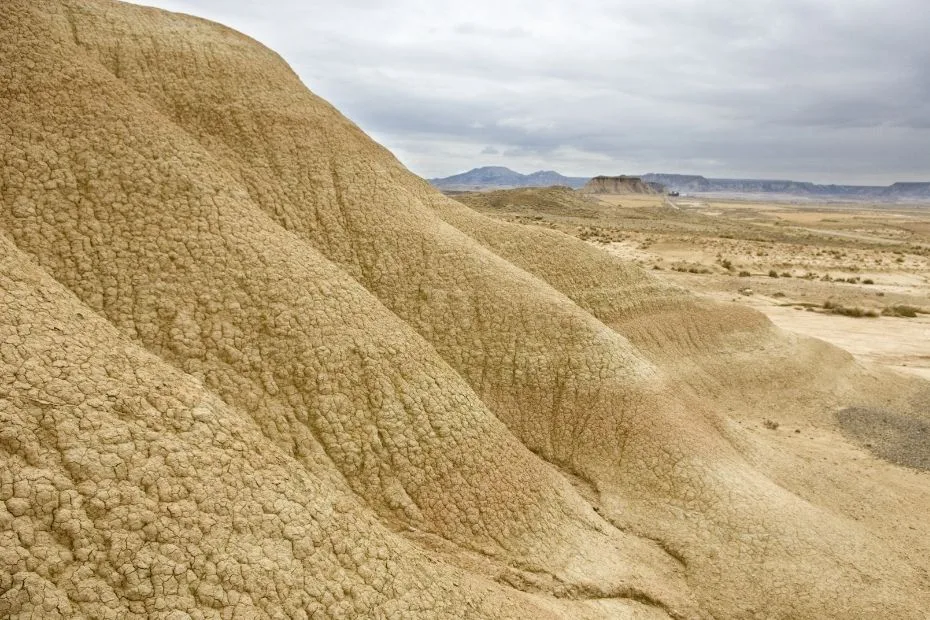
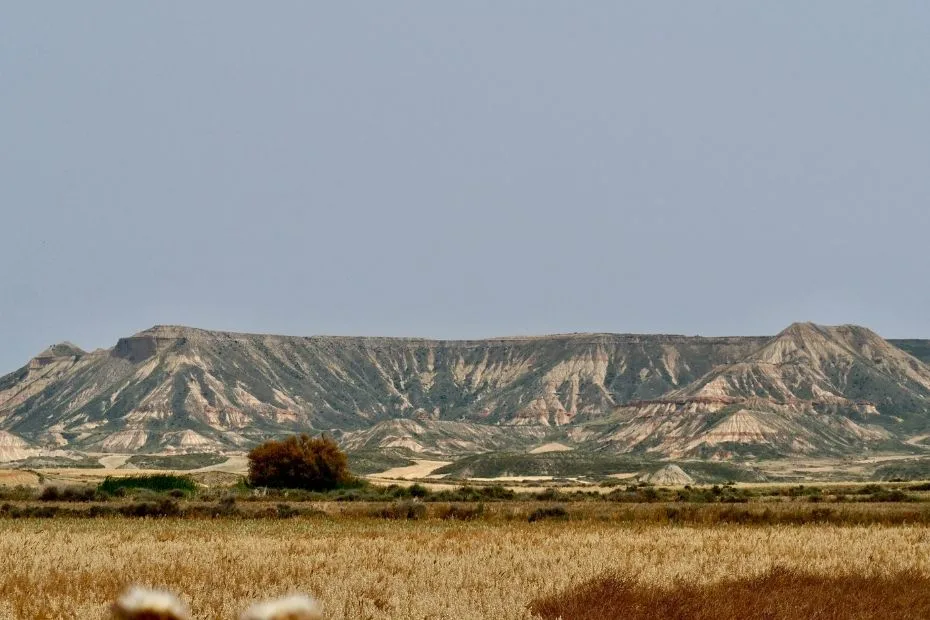
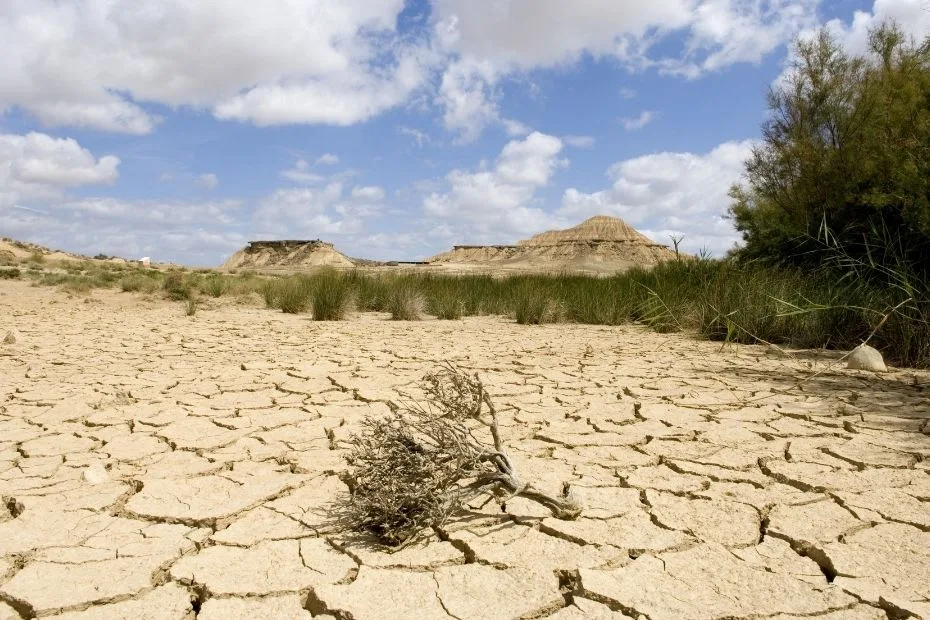
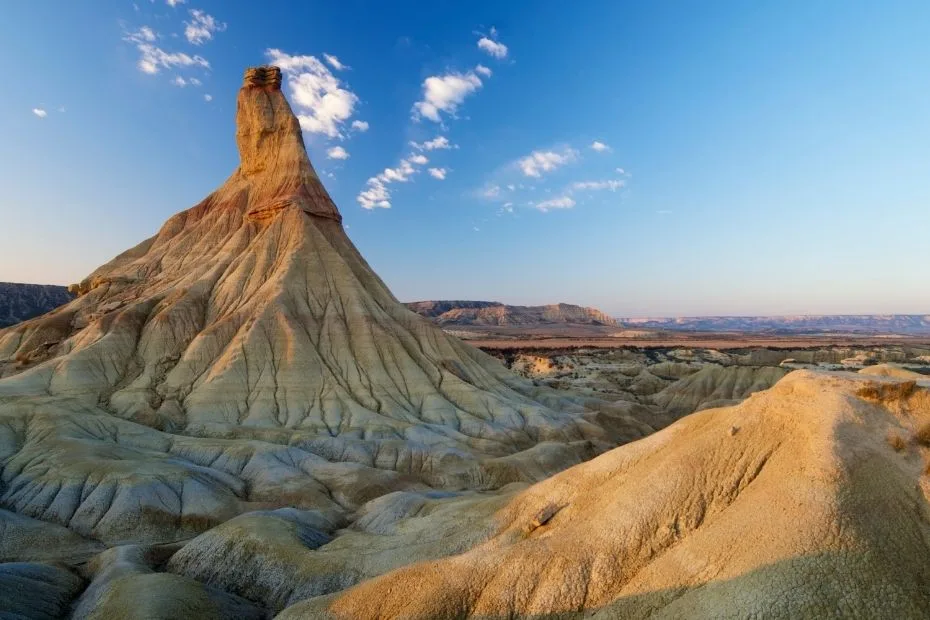
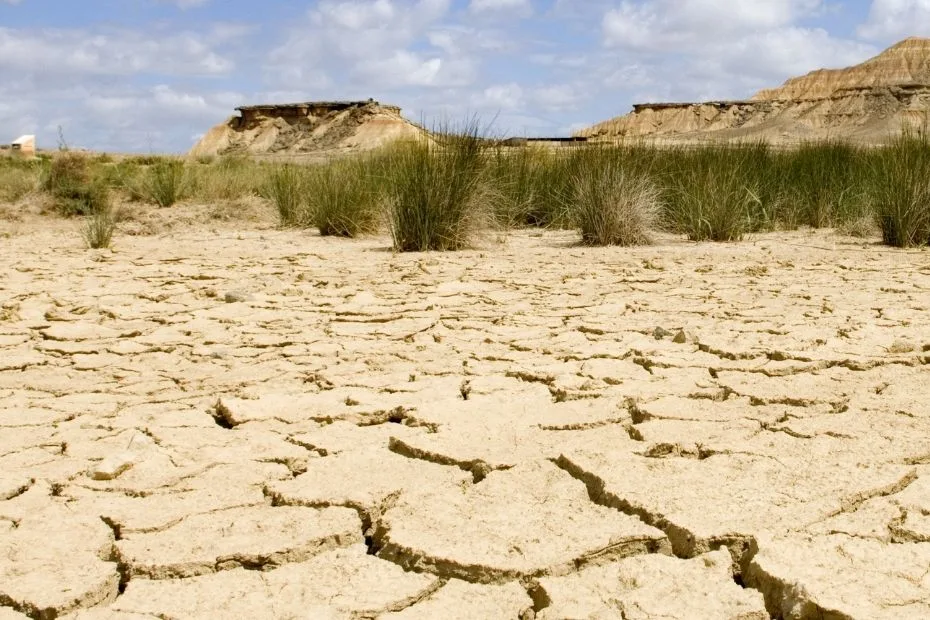
Photos of the Bardenas Reales
Physical Features
Area: Approx. 415 km²
Type: Semi-desert badlands
Elevation: 280–659 m (highest point: Cabezo de las Cortinillas)
Landscape: Plateaus, ravines, canyons, clay, chalk, and sandstone formations
Climate & Precipitation
Climate: Semi-arid Mediterranean
Temperature: Hot, dry summers; cold winters
Precipitation: Low annual rainfall, ~400 mm, irregular distribution
Ecological Features
Ecozone: Semi-arid badlands
Biome: Mediterranean shrubland and grassland
Protection: Declared a UNESCO Biosphere Reserve (2000)
Flora & Fauna
Flora: Shrubs, steppe vegetation, Mediterranean plants adapted to drought
Fauna: Griffon vultures, Egyptian vultures, golden eagles, foxes, wildcats, and reptiles
Geology & Notable Features
Geology: Clay, chalk, and sandstone shaped by erosion
Notable Features: Castildetierra (iconic rock formation), El Rallón, El Plano plateau
Introduction
The Bardenas Reales is a unique desert located in the southeast of Spain, specifically in the region of Navarra. This semi-arid natural region has fascinated visitors due to its astonishingly rugged landscapes and biodiversity. Known for its unique erosive shapes, the Bardenas Reales is not only a remarkable geographical site but also serves as a location for cultural heritage and biodiversity.
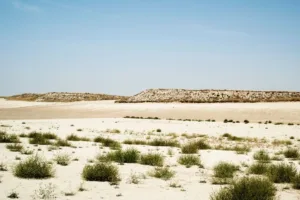
Geography
The Bardenas Reales spans approximately 420 square kilometers, showcasing a range of dramatic natural features such as canyons, plateaus, and badlands. The area is characterized by its semi-desert climate, receiving an average annual rainfall of only 300mm. The terrain consists mainly of clay and sandstone, which create surreal formations that resemble a lunar landscape.
Climate
The climate in Bardenas Reales is classified as Mediterranean with a semi-arid influence. Summers are hot and dry, while winters can be cold with occasional frost. This region is marked by:
- Average Summer Temperature: 30°C
- Average Winter Temperature: 5°C
- Annual Precipitation: 300mm
Biodiversity
Bardenas Reales is home to a variety of flora and fauna adapted to its harsh environment. The region boasts over 60 species of birds, making it a prime spot for birdwatchers. Additionally, its unique landscape supports a diverse array of wild plants, many of which are endemic to the area.
Notable Species
Some notable species found in the Bardenas Reales include:
| Species Name | Type | Characteristics |
|---|---|---|
| Great Bustard | Bird | One of the heaviest flying birds, known for its impressive mating displays. |
| Spanish Bluebell | Plant | Endemic species featuring vibrant blue flowers that bloom in spring. |
| Black Wheatear | Bird | A rare species observed in rocky areas, distinguishing for its black plumage. |
Tourism and Activities
The beauty of Bardenas Reales attracts numerous tourists each year. Activities range from hiking and mountain biking to photography tours that capture the stunning landscapes. The park is designed with visitor facilities, making it accessible for both casual explorers and serious adventurers.
Visitor Information
Before visiting Bardenas Reales, potential travelers should keep the following in mind:
- Best Time to Visit: Spring and Autumn for mild weather
- Access: Easily reachable by car and guided tours are available
- Conservation: Respect the natural park rules to help preserve this unique ecosystem
Cultural Significance
The Bardenas Reales has cultural value for local communities and has appeared in films and documentaries, including the television series Game of Thrones. The area contains traces of ancient settlements and reflects cultural influences shaped over centuries.
Conclusion
The Bardenas Reales combines distinctive landforms with a long cultural history. Its terrain and wildlife attract visitors interested in desert environments and regional heritage. The area remains one of Spain’s most recognized semi-arid landscapes.