
Location & Continent
Continent: North America
Country: United States (Arizona, California); Mexico (Sonora, Baja California, Baja California Sur)
Coordinates: 32°N, 112°W
Sonoran Desert – Map & Street View
Click to load the interactive map
Click to load the interactive map
Photos of the Sonoran Desert

Physical Features
Area: ~260,000 km² (spanning the U.S.–Mexico border; one of North America’s largest hot deserts)
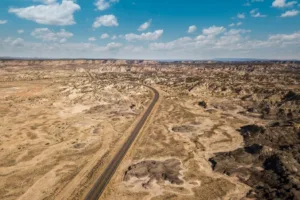
Relief & Extent: From tidal flats at the Gulf of California to volcanic massifs and bajadas; broad alluvial plains cut by ephemeral washes
Elevation: Sea level to ~1,500 m in surrounding ranges; vast lowlands across Arizona, California, and Sonora
Climate & Precipitation
Temperature: Summer highs commonly exceed 45 °C (113 °F) in low basins; winters are mild with occasional cold snaps at higher elevations
Precipitation: ~75–300 mm annually depending on subregion; a distinctive bimodal pattern with gentle winter rains and intense summer monsoon thunderstorms; high evaporation rates typical of hot-desert climates
Ecological Features
Ecozone: Nearctic
Biome: Deserts & xeric shrublands (hot desert)
Ecoregions / Subdivisions: Arizona Upland, Lower Colorado River Valley, Colorado Desert (California), Gran Desierto de Altar (NW Mexico)
Flora & Fauna
Flora: Iconic saguaro (Carnegiea gigantea), organ pipe cactus (Stenocereus thurberi), barrel cactus (Ferocactus spp.), chollas (Cylindropuntia spp.), creosote bush (Larrea tridentata), brittlebush (Encelia), palo verde (Parkinsonia), ironwood (Olneya), mesquite (Prosopis). Spring wildflowers and summer monsoon blooms punctuate wetter years.
Fauna: Gila monster, desert tortoise, chuckwalla, roadrunner, cactus wren, elf owl, Harris’s hawk; mammals such as javelina, coyotes, bobcats, kit foxes, kangaroo rats; the endangered Sonoran pronghorn in remote dunes and plains.
Geology & Notable Features
Geology: A mosaic of volcanic shields (Pinacate), lava fields, desert pavements, and massive sand seas (Gran Desierto de Altar) built from ancient Colorado River sediments; classic landforms include star and crescentic dunes, bajadas, and inselbergs.
Notable Features: Saguaro National Park (USA), Organ Pipe Cactus National Monument (USA), Cabeza Prieta National Wildlife Refuge (USA), El Pinacate y Gran Desierto de Altar Biosphere Reserve (Mexico, UNESCO World Heritage), Lower Colorado River corridor, dune fields reaching 100–200 m in relief.
Introduction
The Sonoran Desert is one of the most fascinating and ecologically diverse deserts in North America. Spanning across parts of the United States and Mexico, this desert is renowned for its unique wildlife, distinctive vegetation, and striking landscapes. In this article, we will explore various aspects of the Sonoran Desert, comparing its features to other deserts while highlighting the reasons for its uniqueness.
Geography
The Sonoran Desert is located in the southwestern United States and northwestern Mexico, covering approximately 100,000 square miles. Bordered by the California coastline to the west and the Rocky Mountains to the north, this desert is distinctly different from other desert terrains.
Climate
The climate of the Sonoran Desert is characterized by its arid to semi-arid conditions. It experiences two main seasons: a dry and hot summer followed by a mild, wetter winter. Annual rainfall averages between 3 to 15 inches, making it one of the more humid deserts in North America.
Vegetation
One of the striking features of the Sonoran Desert is its rich vegetative life. The most notable plant species is the Saguaro cactus, which can grow up to 40 feet tall. This desert also hosts over 2,000 species of plants, including trees, shrubs, and herbs adapted to the harsh desert conditions.
Wildlife
The Sonoran Desert is home to a variety of wildlife, featuring adaptations that allow survival in extreme conditions. Notable animals include:
- Desert tortoise – A slow-moving reptile that contributes to nutrient cycling and vegetation dynamics.
- Gila monster – One of the few venomous lizards in North America.
- Coyote – An adaptable predator performing a variety of roles in the ecosystem.
With over 500 species of animals, the desert’s ecosystem showcases a remarkable range of biodiversity.
Comparison with Other Deserts
To understand the Sonoran Desert better, it’s helpful to compare it with other notable deserts, such as the Mojave Desert and the Chihuahuan Desert. Here’s a detailed comparison:
| Feature | Sonoran Desert | Mojave Desert | Chihuahuan Desert |
|---|---|---|---|
| Location | U.S. and Mexico | U.S. | U.S. and Mexico |
| Size | 100,000 sq mi | 47,877 sq mi | 140,000 sq mi |
| Average Rainfall | 3-15 in | 2-10 in | 8-12 in |
| Iconic Flora | Saguaro Cactus | Joshua Tree | Creosote Bush |
| Wildlife Diversity | 500+ species | 300+ species | 450+ species |
Culture and Human Activity
The Sonoran Desert is not just a natural wonder but also a region enriched with cultural history. Indigenous tribes such as the Tohono O’odham have lived in the desert for centuries, developing a profound knowledge of the land and its resources. Today, the area attracts tourists and outdoor enthusiasts who engage in various activities such as hiking, bird-watching, and camping.
Conservation Efforts
Conservation efforts in the Sonoran Desert address pressures from urban growth and climate change. Organizations work to protect habitats, manage wildlife populations, and regulate tourism.
Conclusion
The Sonoran Desert is defined by its physical features, biodiversity, and cultural history. Its ecosystems and land use patterns influence regional environmental conditions.
References
Government / Official Sources
U.S. National Park Service — “Climate of the Sonoran Desert (bimodal precipitation)”
U.S. National Park Service — “Saguaro cactus range and ecology”
UNESCO — “El Pinacate and Gran Desierto de Altar Biosphere Reserve”
University / Museum Sources
Arizona–Sonora Desert Museum — “Bimodal rainfall patterns and adaptations”
Arizona–Sonora Desert Museum — “Gila Monster: ecology & adaptations”